AAC Family Wellness Centers
Chiropractic Care and Improvements in a Child with ADHD and Dyslexia
2026-10-12
Print Article

Children with ADHD can struggle with far more than simply paying attention. Emotional outbursts, difficulty with transitions, poor coordination, sleep problems and challenges with social interaction can all affect everyday family and school life. A case report published in the Asia-Pacific Chiropractic Journal on September 1, 2026, followed an eight-year-old boy with previously diagnosed ADHD and dyslexia who received chiropractic care for approximately 11 months.
When he began chiropractic care, his parents described severe resistance to schoolwork and changes in routine, frequent emotional outbursts, sensory-seeking behavior such as chewing on objects, separation anxiety, clumsiness, poor spatial awareness and difficulty following rules and connecting socially. An evaluation for autism was also underway, while another behavioral disorder was suspected but had not been formally diagnosed. His parents felt these difficulties were interfering significantly with both his school performance and his quality of life.
The chiropractic examination identified spinal subluxations along with several findings related to coordination, eye tracking and motor control. The boy also showed several retained primitive reflexes. Primitive reflexes are automatic movement patterns present early in infancy that normally become less noticeable or disappear as the brain and nervous system mature. When these reflexes remain active beyond infancy, some researchers have found them more frequently in children with attention, coordination and developmental difficulties.
Over the course of chiropractic care, the child showed improvement in several objective measures of muscle activity and fine motor control. The primitive reflexes remained detectable throughout the study, although several showed improvement on repeated testing. Most striking were the changes reported by his parents. They described better sleep and mood, fewer emotional outbursts, improved self-control, greater social interest, better coordination and an improved ability to understand and follow multi-step instructions. As the months progressed, they described him as calmer, more resilient, more confident and better able to cope with changes in his daily routine.
His parents also reported improvements in planning, organization, emotional resilience and his ability to interact with family and peers. These changes made both school and home life less stressful. One of the family’s initial goals was to avoid stimulant medication for the boy’s ADHD. During the period reported in the case study, ADHD medication was avoided, meeting that family goal.
Chiropractic care does not treat or cure ADHD. In this case, chiropractic care was directed toward reducing the effects of subluxation and supporting better nervous system function and adaptability rather than treating a specific medical diagnosis. Still, the changes reported in sleep, emotional regulation, coordination, social engagement and executive function make this an interesting case. For families dealing with the many challenges that can accompany ADHD and other developmental concerns, this study adds to the growing body of information on how improving spinal and nervous system function through chiropractic care may support a child’s ability to function and adapt in everyday life.
Print Article
Contact Information

Location Map Information
| Ballston Spa/Saratoga 402 Rowland St. Ballston Spa, NY 12020 (518) 363.0202 |
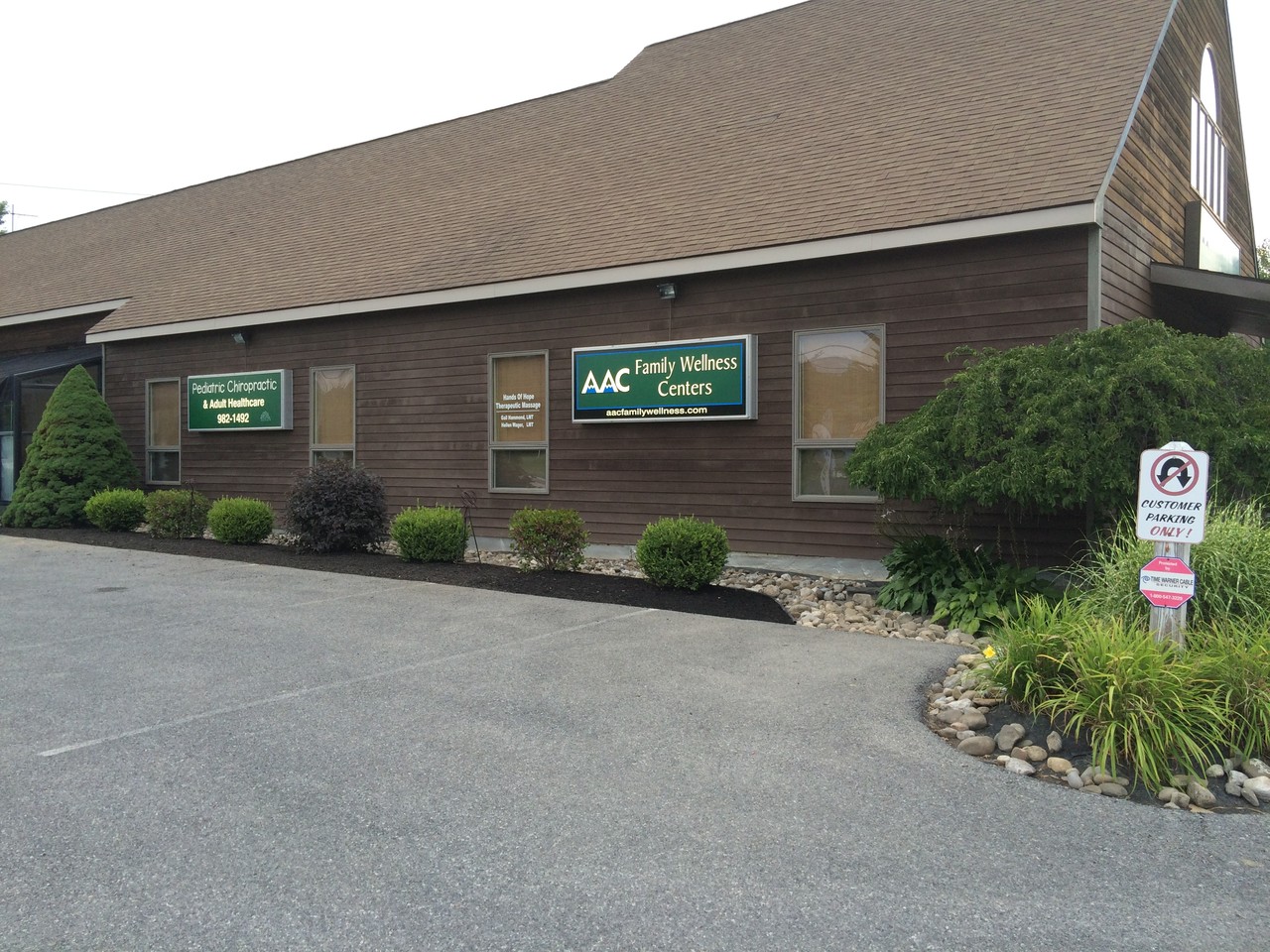
Rotterdam 834 Duanesburg Rd. (Rt. 7) Across from Schalmont Middle School (518) 982-1492 |
 |
 |
View Larger Map |
View Larger Map |
Content By AAC Family Wellness Centers © 2026,
All Rights Reserved.
Chiropractic Website and Content Provided By Now You Know, Inc. © 2026,
All Rights Reserved.