AAC Family Wellness Centers
Chiropractic Care Linked to Increased Disc Height in the Neck
2026-09-13
Print Article
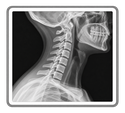
The discs between the bones of your neck play an important role in keeping your spine flexible, absorbing stress, and maintaining enough space for nerves to leave the spinal column. When those discs lose height, the spaces around the spinal nerves can become smaller and the way forces are distributed through the neck can change. A study published August 5, 2026, in the Journal of Upper Cervical Chiropractic Research examined whether measurable changes in these spinal structures occurred in people receiving chiropractic care over a one-year period.
Researchers reviewed the records and neck X-rays of 45 chiropractic patients, 25 women and 20 men, with an average age of about 52. Thirty-eight of the patients had complete X-ray measurements available throughout the study. Their most common complaints involved the neck, followed by the shoulders, lower back, arms, and mid-back. X-rays were taken when the patients first began care and again after approximately three months, six months, and twelve months.
One of the main measurements was the height of the intervertebral discs between the vertebrae from C2 through C7 in the neck. These discs act somewhat like cushions between the spinal bones. They help distribute pressure, allow movement, and maintain openings through which spinal nerves travel. Over the twelve months of chiropractic care, disc height increased significantly at every level of the neck that was measured. This was an objective change that could be seen and measured on the patients' follow-up x-rays.
The researchers also looked at two other measurements: how far forward the head was positioned in relation to the lower neck and the natural curve of the cervical spine. Although these measurements changed somewhat during the year, the changes were not statistically significant. What was particularly interesting was that, as care continued, the relationships between disc height, spinal curvature, and head position became more closely connected. The researchers suggested that this may indicate that the neck was functioning as a more coordinated mechanical system rather than depending on one area to compensate for another.
Why could greater disc height be important? Maintaining adequate space between the vertebrae helps preserve the openings for spinal nerves and contributes to normal movement and stability of the spine. Loss of disc height is commonly associated with spinal degeneration and can place additional stress on joints and surrounding tissues. The findings therefore raise an intriguing possibility that chiropractic care directed toward improving spinal function and correcting vertebral subluxation may be associated with favorable structural changes within the cervical spine, not simply changes in how a patient feels.
This study is particularly noteworthy because the improvements were not based solely on patients reporting less pain or greater mobilit, they were measured on x-rays over an entire year. The finding of significant increases throughout multiple levels of the cervical spine provides interesting objective evidence that the spine may be capable of measurable structural change during a course of chiropractic care.
Print Article


Contact Information

Location Map Information
| Ballston Spa/Saratoga 402 Rowland St. Ballston Spa, NY 12020 (518) 363.0202 |
Rotterdam 834 Duanesburg Rd. (Rt. 7) Across from Schalmont Middle School (518) 982-1492 |
 |
 |
View Larger Map |
View Larger Map |
Content By AAC Family Wellness Centers © 2026,
All Rights Reserved.
Chiropractic Website and Content Provided By Now You Know, Inc. © 2026,
All Rights Reserved.