AAC Family Wellness Centers
Chiropractic Care and Menstrual Symptoms: Encouraging Changes in a Young Woman
2026-08-12
Print Article

Painful menstrual cycles can affect much more than a few uncomfortable days each month. Severe cramping, headaches, heavy bleeding, fatigue, and other symptoms can interfere with work, school, social activities, and overall quality of life. A case report published in 2026 in the Journal of Contemporary Chiropractic described the chiropractic care of a 28-year-old woman who had struggled with severe menstrual symptoms for approximately 12 years.
Her symptoms had become extremely disruptive. She experienced menstrual cramps that she rated as 10 out of 10, with debilitating headaches, and heavy menstrual flow lasting about nine days during each cycle. The cramping could continue throughout her menstrual period, and her symptoms were sometimes so severe that she had to stay in bed. She frequently missed classes and social activities because of the pain and headaches, greatly affecting the quality of life she wanted to enjoy.
The woman had previously tried common approaches to manage her symptoms, including over-the-counter anti-inflammatory medication and a heating pad, but reported little relief. She had also previously used oral contraceptives for several years before discontinuing them. During her initial chiropractic evaluation, an examination revealed dysfunction involving the lower spine, sacrum, and pelvic region. She subsequently began regular chiropractic care directed toward improving the function and alignment of these areas.
Her response was noticeable very quickly. After only two visits, she reported a dramatic improvement in her menstrual symptoms. Researchers followed her progress using a standardized pain questionnaire scored from zero to 100, with scores above 50 representing high-intensity pain. At the beginning of this phase of care, her score was approximately 76, indicating severe symptoms. After several months, her score had fallen into the low-intensity range, reaching approximately 33 to 36.
The improvement also made a meaningful difference in her everyday life. After about two months of care, she became emotional while describing how much her life had changed. Her menstrual symptoms were less intense and lasted for a shorter period, allowing her to participate more normally in daily activities. Interestingly, when she missed a week of chiropractic visits before one menstrual cycle, some of her symptoms returned, although they were still less severe than they had been before this particular course of care.
The nerves associated with the lower spine and sacral region are involved in communication with structures in the pelvis, which provides one possible reason that improving spinal and pelvic function could influence menstrual symptoms. Chiropractic care focused on correcting spinal dysfunction and subluxation helps support more normal nervous system function and reduce some of the physical stresses associated with painful menstrual cycles. For this woman, chiropractic care was associated with a substantial reduction in the intensity and duration of symptoms that had affected her life for more than a decade.
Print Article
Contact Information

Location Map Information
| Ballston Spa/Saratoga 402 Rowland St. Ballston Spa, NY 12020 (518) 363.0202 |
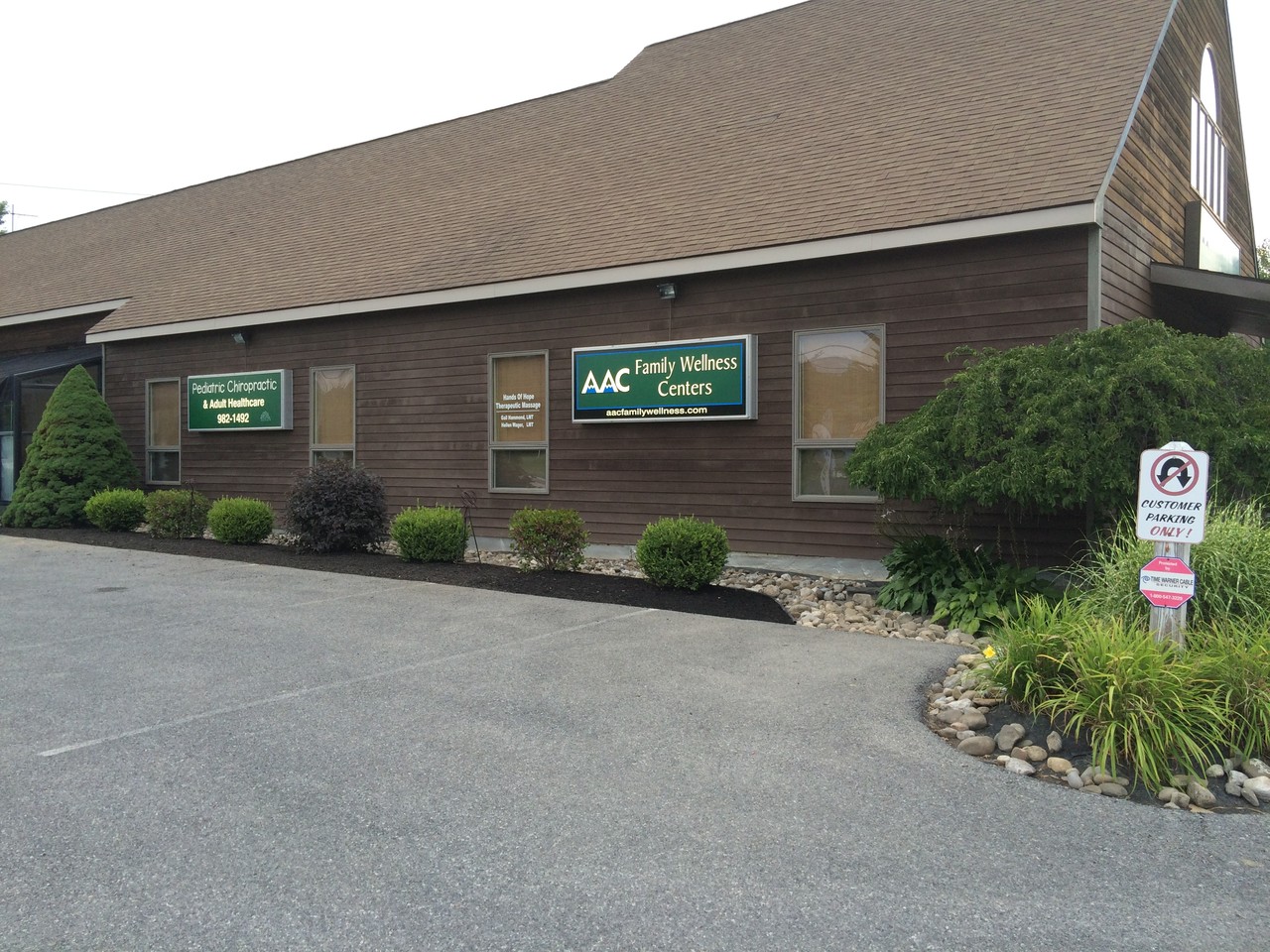
Rotterdam 834 Duanesburg Rd. (Rt. 7) Across from Schalmont Middle School (518) 982-1492 |
 |
 |
View Larger Map |
View Larger Map |
Content By AAC Family Wellness Centers © 2026,
All Rights Reserved.
Chiropractic Website and Content Provided By Now You Know, Inc. © 2026,
All Rights Reserved.