AAC Family Wellness Centers
Conservative Chiropractic Care Associated with Major Reduction in Cervical Disc Extrusion
2026-08-12
Print Article

Neck pain can sometimes involve much more than sore muscles. A damaged or herniated disc in the neck can irritate nerves and lead to pain that travels into the shoulder or arm, numbness, tingling, weakness, and disrupted sleep. A case report published in 2026 in the Journal of Contemporary Chiropractic documented the care of a 50-year-old man with a severe cervical disc extrusion and instability in his neck who was seeking a conservative alternative after spinal fusion surgery had been recommended.
The man had experienced progressively worsening symptoms for about four months. His neck pain radiated into his left shoulder blade, and he experienced numbness in one finger and tremors in another. His symptoms occurred several times every day and ranged from 4 to 8 on a 10-point pain scale. Perhaps most troublesome was the severe pain that repeatedly woke him during the night. Walking, sitting, and other everyday activities could also aggravate his symptoms.
MRI imaging revealed a significant disc extrusion at the C5-C6 level of his neck, with disc material extending into an area where it was putting pressure on the spinal cord. X-rays taken while he moved his neck also demonstrated abnormal movement between these vertebrae, indicating cervical instability. Because of the seriousness of these findings, anterior spinal fusion surgery had been recommended. The patient, however, wanted to explore a non-surgical approach before proceeding with surgery.
He began approximately three months of conservative care that included chiropractic care along with several supportive therapies and rehabilitation. After more than 30 visits, he reported approximately a 60% improvement in his neck pain, shoulder pain, numbness, and tremors, with his symptoms occurring much less frequently and with considerably less intensity.
What makes this case particularly interesting is that the improvements were not limited to how the patient felt. Follow-up MRI scans showed measurable physical changes in the damaged disc. Four months after beginning care, the size of the disc extrusion had decreased by approximately 26%. An MRI approximately one year later showed that the extrusion had decreased by about 52% compared with the original study. The MRI images presented in the report show substantial reduction of the disc material, with the later image showing no spinal cord compression.
This case demonstrates how the body may sometimes respond remarkably well to conservative care, even when a serious cervical disc problem is present. Chiropractic care was part of a broader program intended to improve spinal function, decrease mechanical stress, and support the healing environment around the injured disc. Although every disc problem is different and proper examination and imaging are particularly important with neurological symptoms, this patient's experience shows the potential value of carefully selected conservative chiropractic care for certain people with cervical disc injuries.
Print Article
Contact Information

Location Map Information
| Ballston Spa/Saratoga 402 Rowland St. Ballston Spa, NY 12020 (518) 363.0202 |
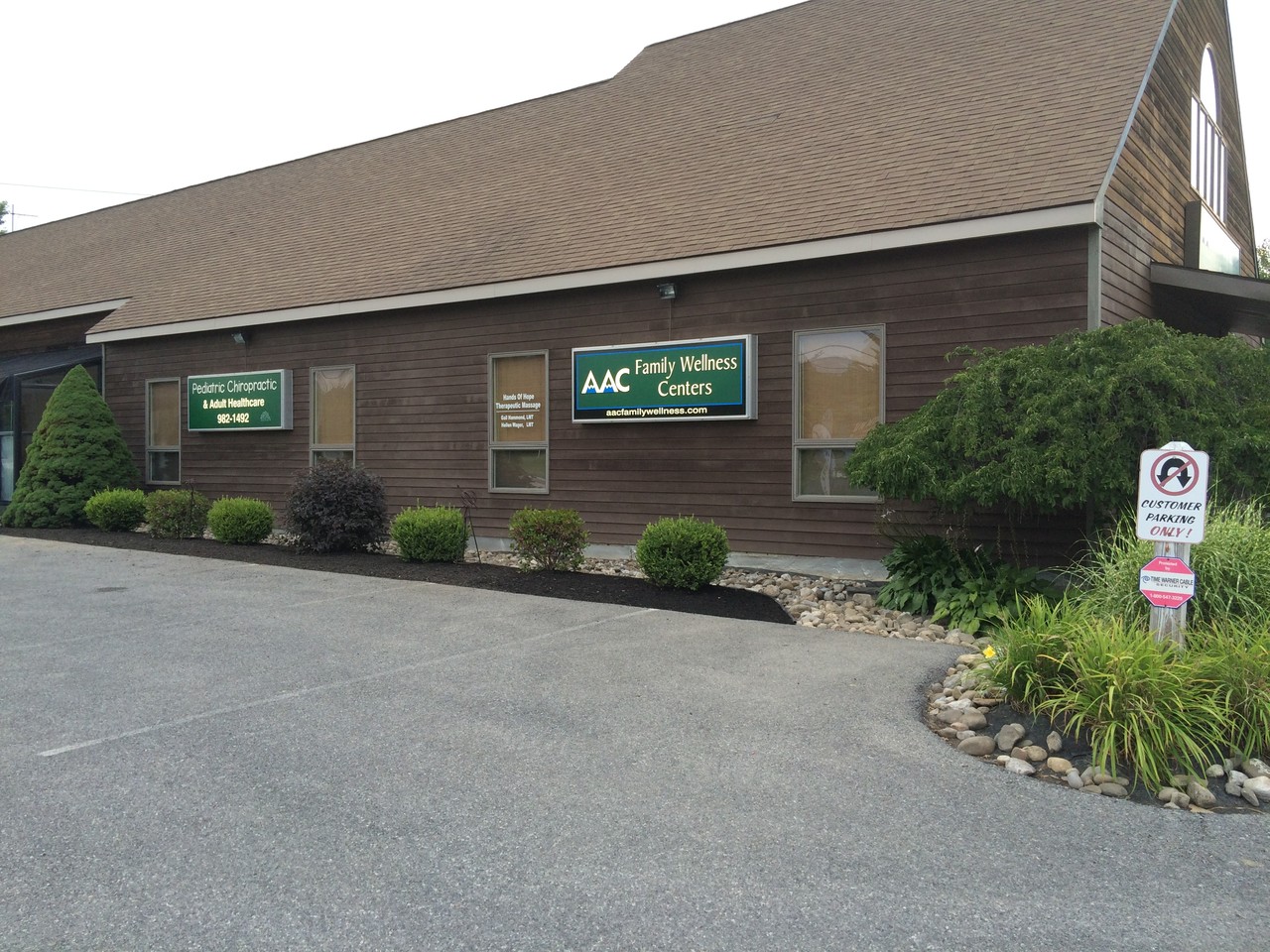
Rotterdam 834 Duanesburg Rd. (Rt. 7) Across from Schalmont Middle School (518) 982-1492 |
 |
 |
View Larger Map |
View Larger Map |
Content By AAC Family Wellness Centers © 2026,
All Rights Reserved.
Chiropractic Website and Content Provided By Now You Know, Inc. © 2026,
All Rights Reserved.