AAC Family Wellness Centers
Frozen Shoulder Helped by Chiropractic
2026-07-14
Print Article

Most of us take our shoulders for granted until something as simple as reaching into a cabinet, fastening a seatbelt, or putting on a jacket suddenly becomes painful. Frozen shoulder, also known as adhesive capsulitis, is a condition that causes increasing pain and stiffness in the shoulder joint. It affects an estimated 2% to 5% of the population and often develops gradually. In many cases, the shoulder becomes so stiff that even everyday tasks become frustrating and difficult.
Frozen shoulder typically progresses through three stages. The first is the "freezing" stage, where pain gradually increases and shoulder movement becomes more limited. This is followed by the "frozen" stage, when the pain may lessen somewhat, but stiffness becomes the biggest problem. Finally comes the "thawing" stage, during which movement slowly returns. Unfortunately, this entire process can take anywhere from one to three years, and for some people, lingering discomfort may last even longer.
A July 1, 2026, case report published in the Asia-Pacific Chiropractic Journal described a 30-year-old man who developed frozen shoulder after a surfing injury. He experienced persistent shoulder pain that radiated into his upper back and neck, making reaching movements uncomfortable. His examination revealed limited shoulder function along with areas of vertebral subluxation and postural imbalance. Chiropractic care focused on correcting these spinal problems and improving overall nervous system function while monitoring his progress over a short period of care.
The results were encouraging. After just two chiropractic visits over a six-day period, the man's shoulder pain had completely resolved. He regained normal shoulder motion, could perform orthopedic shoulder tests without discomfort, and had already returned to lifting furniture and surfing. While this is only one patient's experience and cannot predict how every individual will respond, it demonstrates how restoring proper spinal function and correcting subluxation may play a role in helping the body recover from certain musculoskeletal problems.
The authors also reviewed other commonly recommended treatments for frozen shoulder, including physical therapy, exercises, medications, corticosteroid injections, and, in severe cases, surgery. They noted that although many of these approaches can improve pain and mobility, recovery often requires patience because the condition naturally takes time to resolve. They also emphasized that additional research is needed to better understand how chiropractic care may fit into the overall management of frozen shoulder.
Your nervous system controls every muscle, joint, and tissue in your body. When vertebral subluxations interfere with normal nerve function, the body's ability to move and heal efficiently may be affected. Chiropractic care is designed to help restore normal spinal function, allowing the nervous system to communicate more effectively with the rest of the body. While no single treatment is right for everyone, this case adds to the growing body of evidence suggesting that chiropractic care may be a valuable part of a conservative approach for people suffering from frozen shoulder and other painful joint conditions.
Print Article
Contact Information

Location Map Information
| Ballston Spa/Saratoga 402 Rowland St. Ballston Spa, NY 12020 (518) 363.0202 |
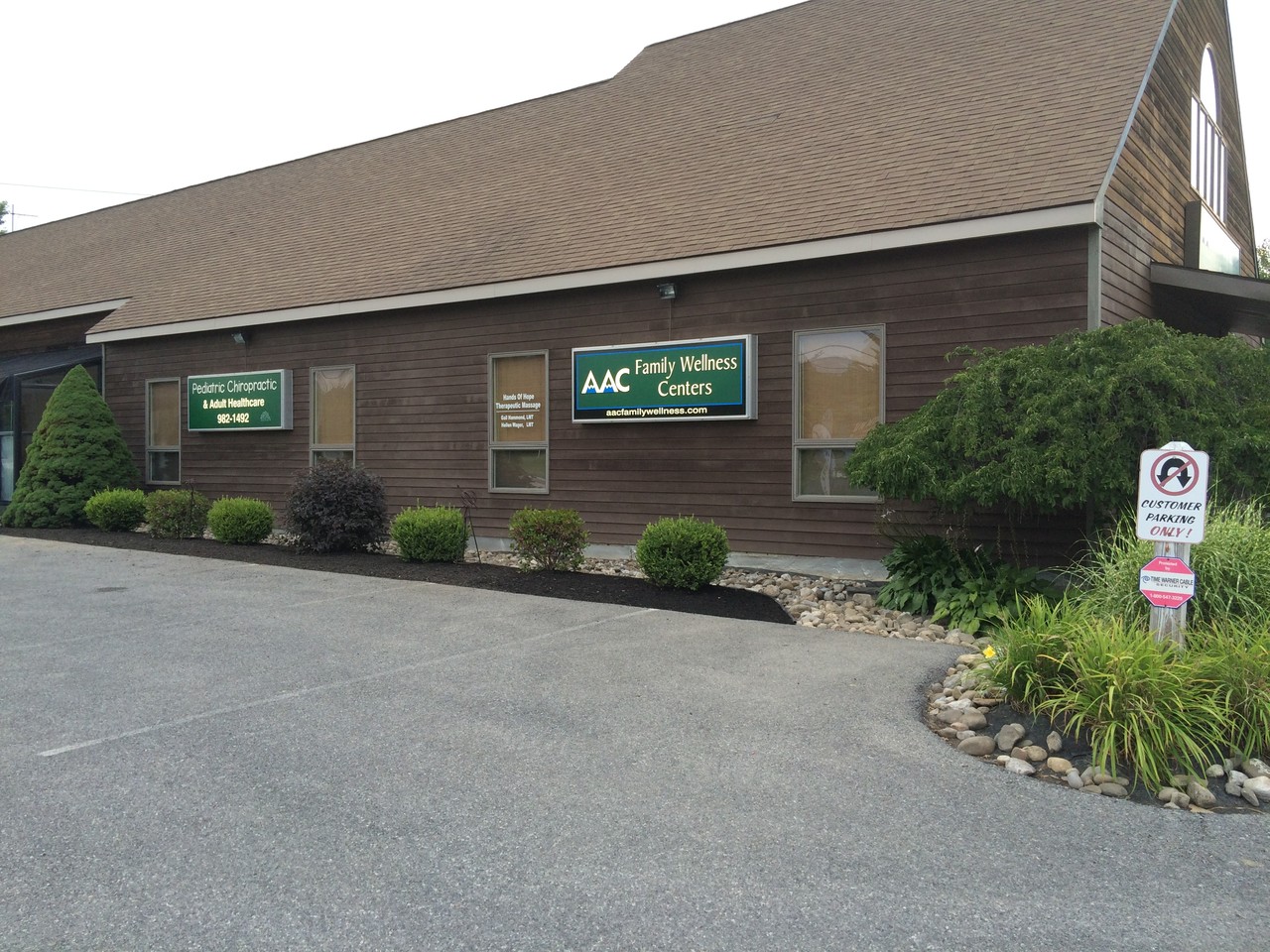
Rotterdam 834 Duanesburg Rd. (Rt. 7) Across from Schalmont Middle School (518) 982-1492 |
 |
 |
View Larger Map |
View Larger Map |
Content By AAC Family Wellness Centers © 2026,
All Rights Reserved.
Chiropractic Website and Content Provided By Now You Know, Inc. © 2026,
All Rights Reserved.