AAC Family Wellness Centers
Chiropractic Helping Children Reach Their Full Potential
2026-07-14
Print Article

Every child develops at their own pace, but parents naturally become concerned when important milestones such as speech, balance, or emotional regulation seem delayed. While some children simply need more time, others may benefit from additional support to help their nervous system function at its best. A growing body of chiropractic research is exploring how spinal health and proper nervous system function may play a role in healthy childhood development.
One recent case study published on July 1, 2026, in the Asia-Pacific Chiropractic Journal followed a two-year-old boy who was experiencing delayed speech, low muscle tone, emotional outbursts, and difficulty regulating his behavior. Although he had made some progress with speech therapy, his speech pathologist noticed signs suggesting that other neurological factors might be contributing to his delays. He was then evaluated by a chiropractor, who identified several areas of vertebral subluxation along with retained primitive reflexes—automatic infant reflexes that normally disappear as the brain and nervous system mature.
The child began receiving gentle, age-appropriate chiropractic care focused on correcting subluxation and supporting healthy nervous system function. His family was also given simple home activities designed to encourage movement, balance, body awareness, and overall development. These exercises were intended to complement his chiropractic care and support normal neurological maturation.
Over the following weeks, his parents noticed remarkable improvements. His speech began expanding rapidly, progressing from learning only one or two new words each day to as many as twenty new words daily. His social interactions improved, he became more imaginative during play, his balance and coordination increased, and he developed better control over his emotions. Perhaps the most touching moment came after about three months of care when the little boy happily told his family, "I'm so happy I can talk now."
As his progress continued, follow-up examinations showed improvements in muscle tone, posture, balance, and neurological function. Many of the retained primitive reflexes had resolved, and his parents reported that everyday life had become much less frustrating for both their son and the entire family. Better communication allowed him to express his needs more clearly, resulting in fewer emotional outbursts and a happier experience at home and daycare.
This report describes only one child's experience, so additional research is needed before broad conclusions can be made. However, it highlights the important relationship between the spine, nervous system, and childhood development. Chiropractic care is not intended to replace medical or speech therapy services, but it may serve as a valuable part of a team approach for some children. By helping improve nervous system function through the correction of vertebral subluxation, chiropractic care may support children as they grow, learn, communicate, and reach their full developmental potential.
Print Article

Contact Information

Location Map Information
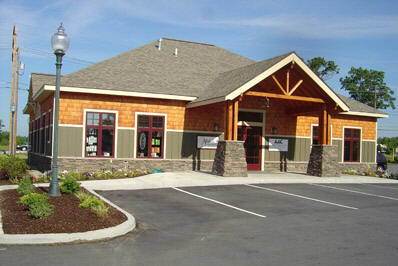
| Ballston Spa/Saratoga 402 Rowland St. Ballston Spa, NY 12020 (518) 363.0202 |
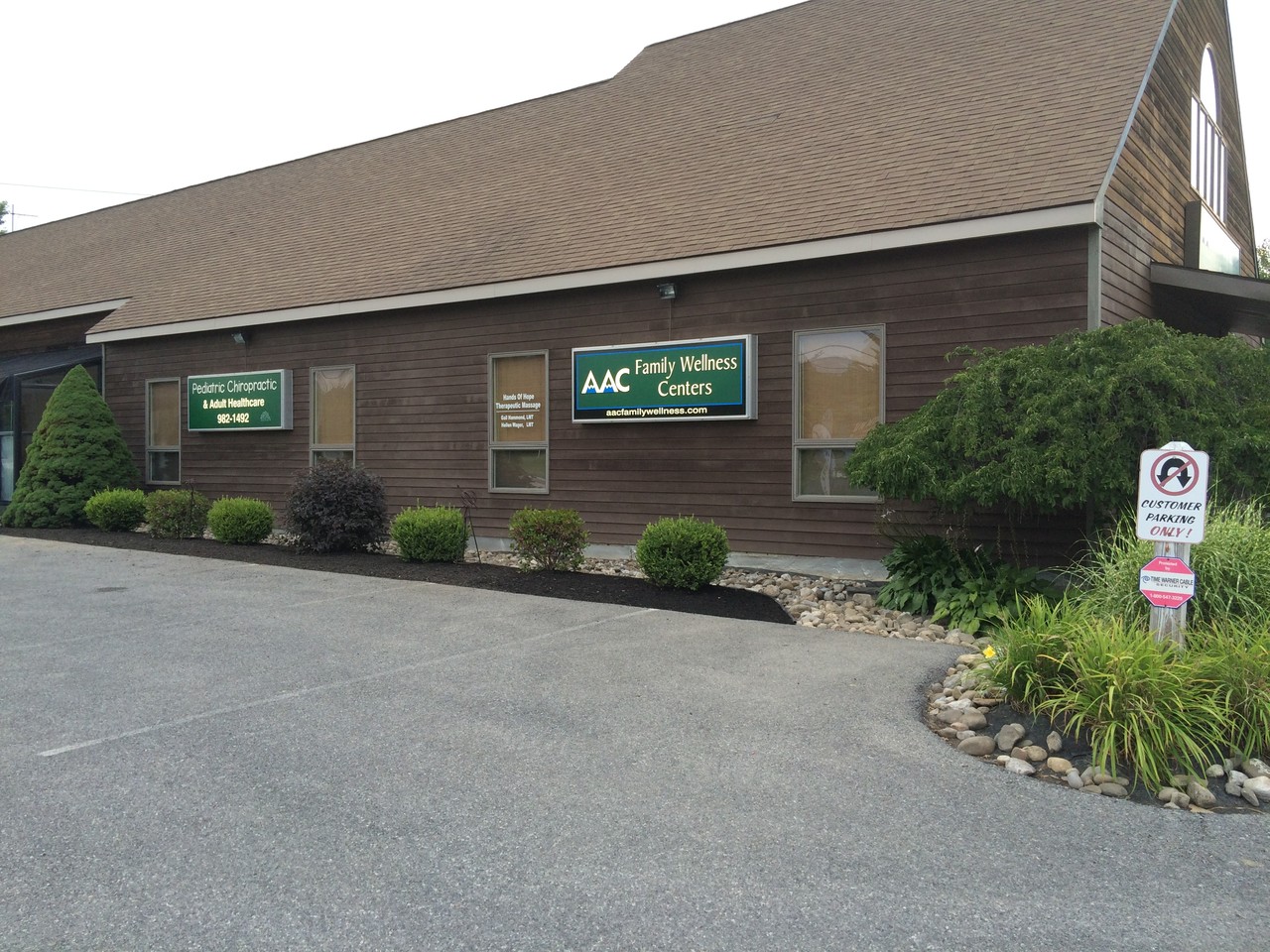
Rotterdam 834 Duanesburg Rd. (Rt. 7) Across from Schalmont Middle School (518) 982-1492 |
 |
 |
View Larger Map |
View Larger Map |
Content By AAC Family Wellness Centers © 2026,
All Rights Reserved.
Chiropractic Website and Content Provided By Now You Know, Inc. © 2026,
All Rights Reserved.