AAC Family Wellness Centers
Chronic Low Back Pain After Surgery Helped by Chiropractic
2026-06-13
Print Article

Chronic back pain can affect far more than just the spine. For many people, ongoing pain can interfere with work, sleep, mood, family life, and the ability to enjoy everyday activities. This is especially true for individuals who continue to struggle even after back surgery. A recent case study published in the 2026 second quarter issue of the Asia-Pacific Chiropractic Journal explored how chiropractic care focused on correcting vertebral subluxation may help improve not only pain levels, but also overall quality of life in someone dealing with long-term spinal problems.
The study followed a 32-year-old man who had suffered from low back pain and sciatica for nearly ten years. He worked as a barber, which required standing for long hours every day, often worsening his discomfort. Over the years, he underwent multiple medical procedures, including spinal surgery and nerve root injections, yet his pain and related symptoms continued. In addition to low back pain, he also experienced neck and upper back discomfort, weakness in parts of his legs, and daily reliance on pain medications.
Like many people living with chronic pain, the constant discomfort began affecting his emotional well-being. He reported feeling older than his actual age and said the pain negatively impacted his mood, patience, and relationships both at work and at home. Everyday activities became increasingly difficult, and he depended heavily on medication simply to get through the day.
The patient began receiving regular chiropractic care aimed at improving spinal function and reducing nervous system interference caused by vertebral subluxation. He was also given advice on posture, sleeping positions, sitting habits, and daily exercise. Over time, he began noticing major changes. His low back pain and upper back pain improved dramatically, and the pain radiating into his leg resolved. He also experienced improved flexibility, better posture, and increased strength in affected muscle groups.
One of the most encouraging outcomes was the change in his overall lifestyle and emotional health. As his pain decreased, he reported feeling more confident, happier, and more engaged with his family and work. He was eventually able to reduce his medication use to only occasional doses and completely stop using opioid pain medication. For someone who had relied on these drugs daily for years, this represented a major improvement in both physical and emotional health.
This case study highlights the potential role chiropractic care may play in helping people recover function and improve quality of life even after spinal surgery. Results suggest that improving spinal alignment, reducing stress on the nervous system, and supporting healthier movement patterns may help the body function more effectively. For individuals struggling with chronic pain, especially after surgery, chiropractic care may offer a natural approach focused on restoring function, improving well-being, and helping patients regain control of their lives.
Print Article
Contact Information

Location Map Information
| Ballston Spa/Saratoga 402 Rowland St. Ballston Spa, NY 12020 (518) 363.0202 |
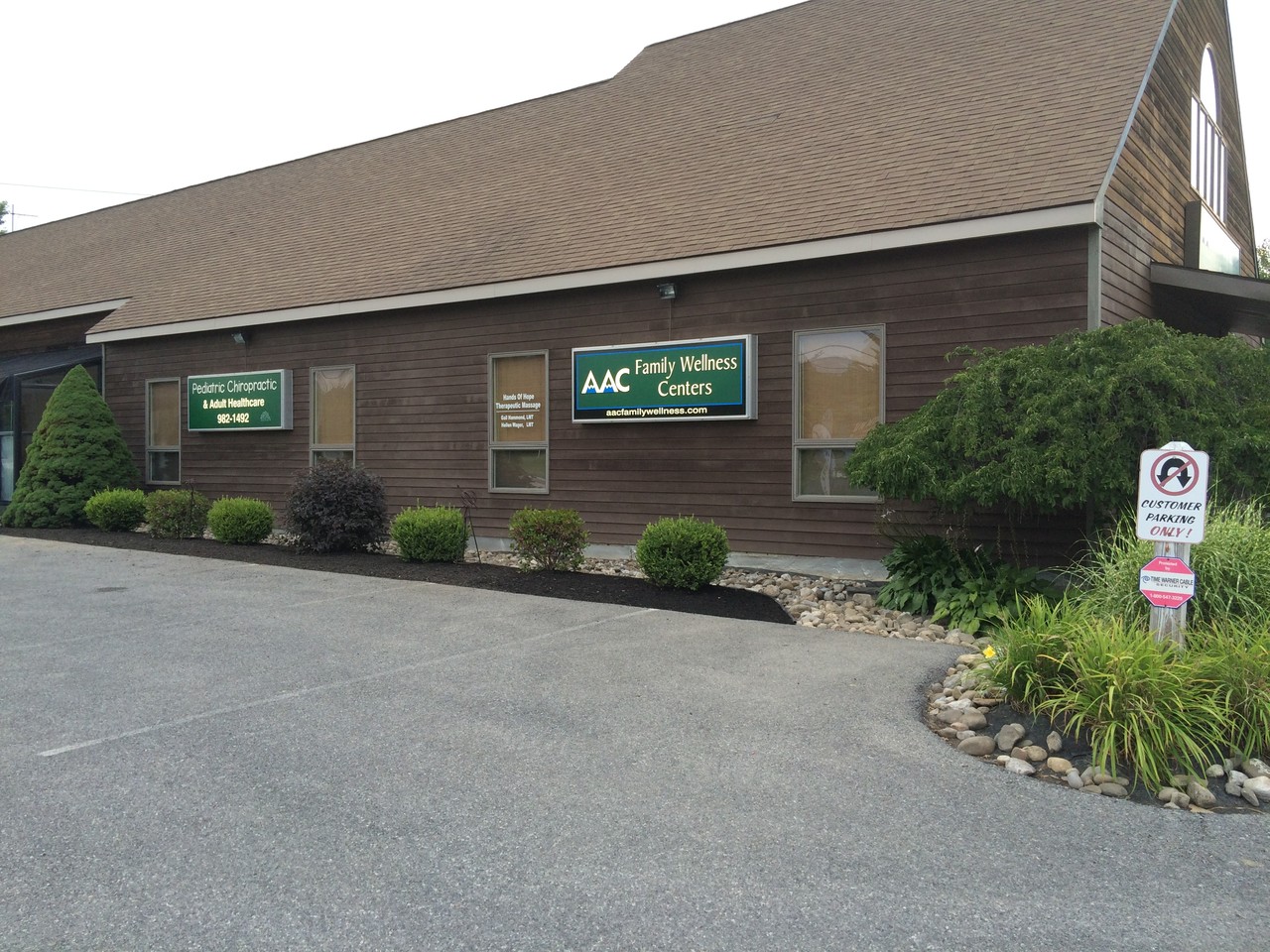
Rotterdam 834 Duanesburg Rd. (Rt. 7) Across from Schalmont Middle School (518) 982-1492 |
 |
 |
View Larger Map |
View Larger Map |
Content By AAC Family Wellness Centers © 2026,
All Rights Reserved.
Chiropractic Website and Content Provided By Now You Know, Inc. © 2026,
All Rights Reserved.