AAC Family Wellness Centers
Chiropractic Improves Quality of Life in Cerebral Palsy Patient
2026-06-13
Print Article

Cerebral palsy is a neurological condition that can affect movement, muscle control, balance, coordination, and posture. Many people with cerebral palsy also struggle with additional health challenges such as chronic pain, dizziness, fatigue, emotional stress, and difficulty with daily activities. A recent case study published in the second quarter issue of the Asia-Pacific Chiropractic Journal explored how chiropractic care focused on correcting vertebral subluxation and improving nervous system function may help support overall health and quality of life in a patient living with long-term neurological and physical difficulties.
The study followed a 42-year-old man with cerebral palsy who sought chiropractic care because of severe episodes of dizziness and blackouts. He also suffered from high blood pressure, depression, memory problems, muscle control issues, chronic pain, and periods of emotional distress. At times, his symptoms had become so severe that he struggled to walk without assistance. Testing also revealed significant spinal ligament instability and elevated levels of mercury and arsenic toxicity in his body.
The patient began a concentrated program of gentle chiropractic care designed to improve spinal function and reduce nervous system interference caused by subluxation. Along with chiropractic adjustments, he received guidance on nutrition, exercise, movement therapies, posture, and healthy lifestyle habits. Because of the severity of his condition, care was provided in focused intensive sessions over several months.
As care continued, the patient experienced major improvements in many areas of his health. His dizziness and blackout episodes improved, his flexibility and muscle control increased, and he reported being able to move more comfortably and confidently. He also noticed better balance, improved strength during exercise, and significantly less pain. Objective testing showed improvement in spinal stability and better function within areas related to balance and coordination.
One of the most remarkable findings involved the patient’s emotional and mental well-being. He reported complete resolution of depression symptoms and no longer experienced suicidal thoughts. His relationships, professional life, and confidence improved dramatically. In addition, follow-up testing showed substantial reductions in mercury and arsenic levels, along with improvements in blood pressure and other health markers. The patient described the changes as "life changing."
Although this report describes only one individual, it highlights the important connection between spinal health, nervous system function, and overall well-being. Researchers noted that symptom relief alone is not always the same as full correction and healing, but this case demonstrated how focused chiropractic care, healthy lifestyle changes, and ongoing support may help the body function more effectively. Studies like this continue to explore how caring for the nervous system may positively influence physical, emotional, and neurological health.
Print Article

Contact Information

Location Map Information
| Ballston Spa/Saratoga 402 Rowland St. Ballston Spa, NY 12020 (518) 363.0202 |
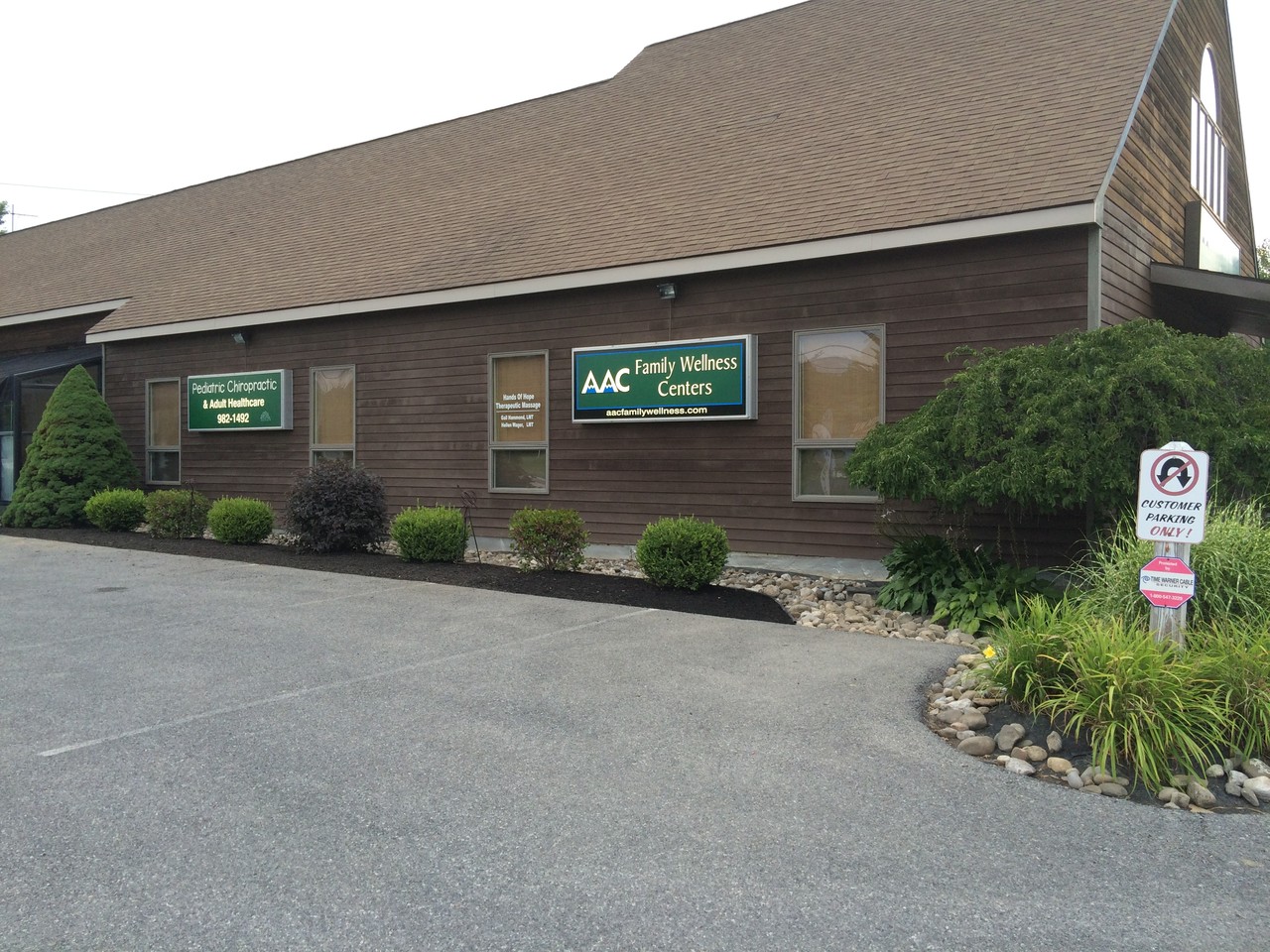
Rotterdam 834 Duanesburg Rd. (Rt. 7) Across from Schalmont Middle School (518) 982-1492 |
 |
 |
View Larger Map |
View Larger Map |
Content By AAC Family Wellness Centers © 2026,
All Rights Reserved.
Chiropractic Website and Content Provided By Now You Know, Inc. © 2026,
All Rights Reserved.