AAC Family Wellness Centers
Chiropractic Helps People Dealing with Cancer Treatment
2026-05-12
Print Article

A study released on April 23, 2026, by Research Square looked at how chiropractic care may help people dealing with the physical challenges that often come with cancer treatment. Many cancer patients experience pain, stiffness, muscle tension, and reduced mobility after treatments such as chemotherapy, radiation, surgery, or hormone therapy. These issues can make everyday activities more difficult and reduce overall quality of life. Researchers wanted to better understand whether chiropractic care could help improve function and decrease pain in this population.
The study reviewed the records of 97 adult cancer patients who received chiropractic care at a major cancer center. Researchers tracked how patients felt over time by measuring both pain levels and the ability to perform daily activities. The results showed that many patients experienced noticeable improvements. Functional ability scores steadily improved from the beginning of care through follow-up visits, while pain levels decreased over the same period. These positive changes were considered both statistically significant and meaningful for many patients.
One of the most encouraging findings was that improvements continued over time. About one-quarter of the patients achieved clinically meaningful gains in function by the second follow-up visit, and nearly half experienced meaningful reductions in pain. This suggests that ongoing chiropractic care may provide lasting support for people recovering from or actively undergoing cancer treatment. Many patients reported being better able to move, perform daily tasks, and manage discomfort as care progressed.
Researchers also found that the benefits appeared consistent across different groups of people. Men and women both showed similar improvements in function and pain reduction, and patients of different racial backgrounds experienced comparable results as well. This consistency suggests that chiropractic care may be a helpful supportive option for a wide variety of oncology patients struggling with musculoskeletal problems and reduced quality of life after cancer treatment.
The study discussed how chiropractic care may help by improving joint mobility, reducing muscle tightness, supporting healthier nervous system function, and helping the body move more comfortably. Correction of subluxation and improved spinal function may play a role in helping the body adapt to physical stress and recover more effectively. Because cancer treatments can place tremendous strain on the body, conservative and non-drug approaches to pain relief and improved mobility are becoming increasingly important in supportive care settings.
While the researchers noted that additional studies are still needed, the findings were very encouraging. The study supports the growing idea that chiropractic care can be a valuable part of integrative healthcare for people facing cancer-related pain and physical limitations. As more healthcare providers recognize the importance of improving quality of life during and after cancer treatment, chiropractic care may continue to play an expanding role in helping patients stay active, comfortable, and engaged in daily living.
Print Article
Contact Information

Location Map Information
| Ballston Spa/Saratoga 402 Rowland St. Ballston Spa, NY 12020 (518) 363.0202 |
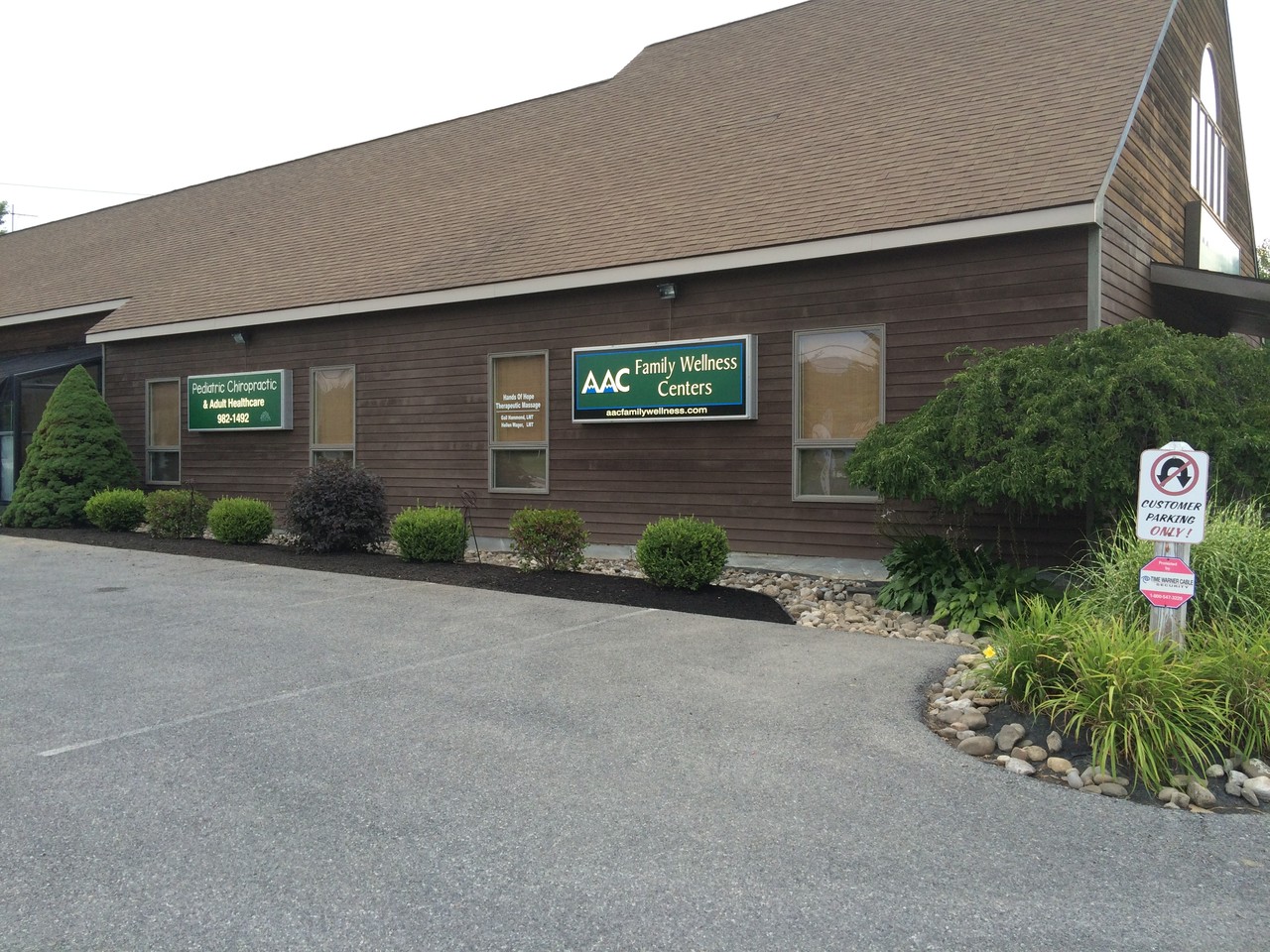
Rotterdam 834 Duanesburg Rd. (Rt. 7) Across from Schalmont Middle School (518) 982-1492 |
 |
 |
View Larger Map |
View Larger Map |
Content By AAC Family Wellness Centers © 2026,
All Rights Reserved.
Chiropractic Website and Content Provided By Now You Know, Inc. © 2026,
All Rights Reserved.