AAC Family Wellness Centers
Adolescent Idiopathic Scoliosis Helped by Chiropractic
2026-04-12
Print Article

Many parents are surprised to learn just how common spinal curvature problems can be during the teenage years. Adolescent idiopathic scoliosis, a condition where the spine develops an abnormal curve, often appears during periods of rapid growth. While some cases are mild, others can lead to discomfort, reduced physical performance, and even changes in posture that affect confidence and overall well-being. Because the spine plays such a central role in the body, finding safe and effective ways to support its health is extremely important.
A study published in the American Journal of Translational Research on February 15, 2026, explored a combined approach to helping teenagers with scoliosis by focusing on both breathing patterns and spinal care. Instead of relying on a single method, researchers looked at how guiding proper breathing alongside correction of subluxation with chiropractic could work together to improve outcomes. This approach recognizes that the spine, muscles, and even breathing mechanics are all connected and influence each other in important ways.
The results were encouraging. Teenagers who received respiratory guidance and chiropractic adjustments showed greater improvements compared to those receiving standard traction treatment. In fact, nearly all of the patients in the combined group experienced meaningful improvement, including better spinal alignment, reduced curvature, and stronger back muscles. These findings suggest that addressing both structure and function at the same time may provide a more complete path toward recovery.
Beyond structural changes, the study also found important benefits in how the patients felt and functioned. Many experienced less back discomfort, increased endurance during physical activity, and better overall balance in their posture. Simple measures such as walking distance and pain levels showed clear improvement after care. This highlights that helping the spine isn't just about appearance, it's about improving everyday life.
One of the most interesting aspects of this approach is how breathing plays a role. Guided breathing exercises can help balance muscle activity around the spine, improve movement of the ribcage, and support better coordination throughout the body. When combined with chiropractic care for correction of subluxation, this may help restore more normal communication between the brain and body, allowing muscles and joints to function more efficiently.
Overall, this study adds to a growing body of research showing that a well-rounded, non-invasive approach to spinal health can make a real difference—especially during the critical growth years. By improving strength, reducing discomfort, and enhancing quality of life, this type of care offers hope for young people dealing with scoliosis and gives families another reason to take a proactive approach to spinal health.
Print Article
Contact Information

Location Map Information
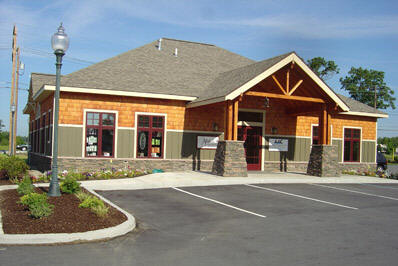
| Ballston Spa/Saratoga 402 Rowland St. Ballston Spa, NY 12020 (518) 363.0202 |
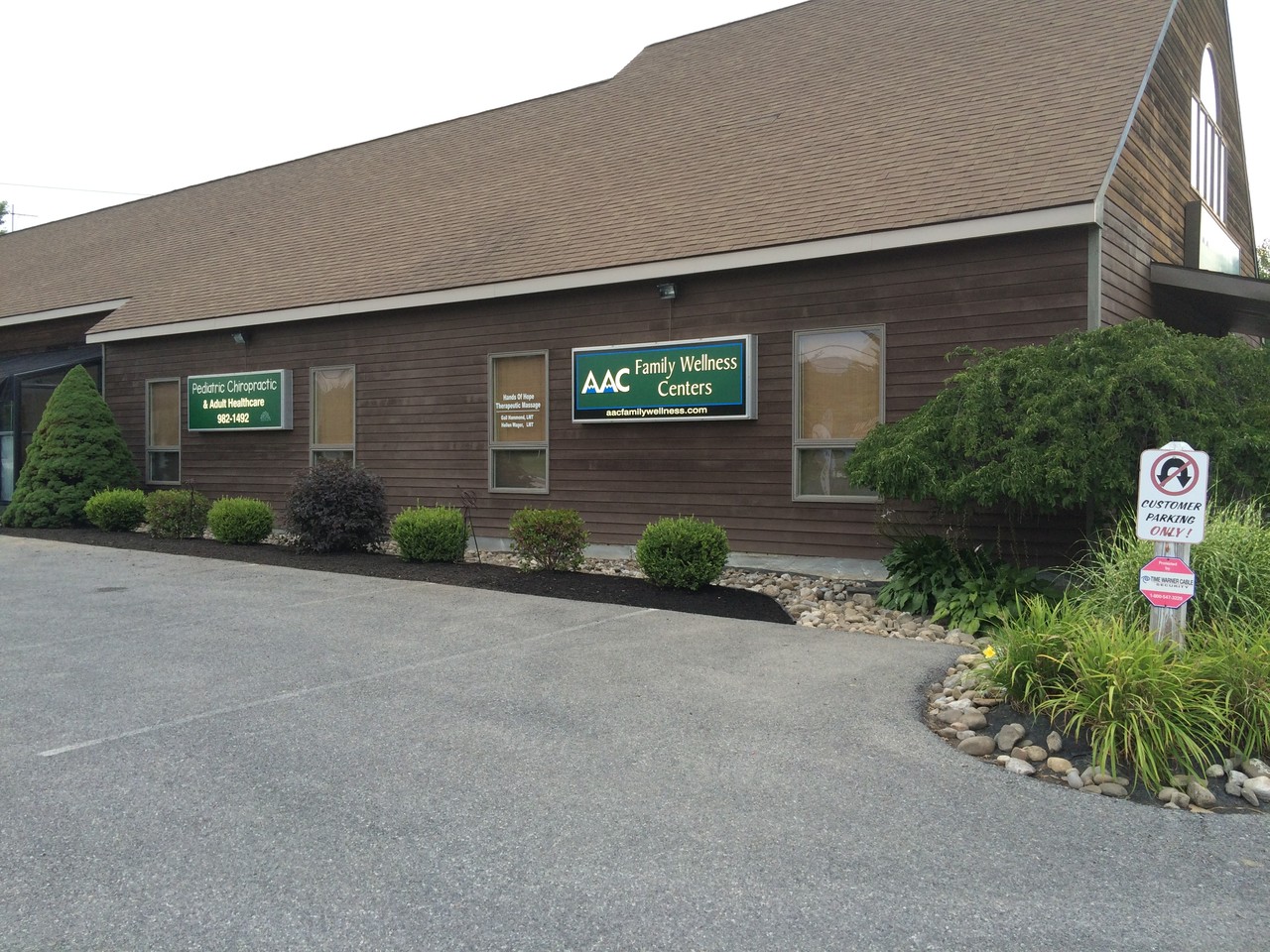
Rotterdam 834 Duanesburg Rd. (Rt. 7) Across from Schalmont Middle School (518) 982-1492 |
 |
 |
View Larger Map |
View Larger Map |
Content By AAC Family Wellness Centers © 2026,
All Rights Reserved.
Chiropractic Website and Content Provided By Now You Know, Inc. © 2026,
All Rights Reserved.