AAC Family Wellness Centers
Phantom Limb Pain Resolved with Chiropractic Care
2026-03-15
Print Article
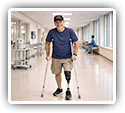
Phantom limb pain is a surprisingly common problem for people who have had a limb amputated. Even though the limb is no longer present, the brain and nervous system can continue sending pain signals that feel as if they are coming from the missing body part. This condition can cause sensations such as burning, stabbing, or aching in the absent limb, and it often interferes with sleep, mobility, and quality of life. Studies suggest that a majority of individuals with lower-limb amputations experience some degree of phantom limb pain during their lives.
A case study published on February 03, 2026, in the Journal of Contemporary Chiropractic, described an interesting situation involving a 66-year-old man who had undergone a below-knee amputation several years earlier. Like many people with amputations, he experienced persistent phantom limb pain. He also suffered from significant lower back pain that radiated into the remaining portion of his leg. These problems made standing, walking, and even sleeping uncomfortable, and previous treatments had provided only limited relief.
While receiving chiropractic care for his lower back condition, something unexpected happened. The man began to notice improvements not only in his back pain but also in the phantom limb pain he had experienced for years. Within several visits, he reported a period of complete relief from the phantom pain that had previously been persistent and difficult to control.
Researchers believe this improvement may be connected to how the spine and nervous system communicate. The lower back contains nerves that travel to the legs and feet. When spinal function is disrupted—sometimes associated with subluxation—it can affect how nerve signals travel between the brain and the body. Correcting spinal problems may help reduce nerve irritation and improve communication within the nervous system, which could influence how pain signals are processed.
In this case, the patient’s pain scores improved significantly during care. His reported pain levels dropped by about half, and his ability to function in daily life improved as well. Although the complete relief of phantom limb pain lasted only temporarily, the improvement was still notable because phantom limb pain can be extremely difficult to treat with conventional methods alone.
While this report describes only one individual and more research is needed, it highlights an important idea: the nervous system plays a powerful role in how pain is experienced. Chiropractic care focused on improving spinal function and correcting subluxation may influence nerve pathways and pain perception in ways that researchers are only beginning to understand. For individuals living with chronic pain after amputation, this type of conservative care may become an important part of a broader, multidisciplinary approach to improving comfort and quality of life.
Print Article
Contact Information

Location Map Information
| Ballston Spa/Saratoga 402 Rowland St. Ballston Spa, NY 12020 (518) 363.0202 |
Rotterdam 834 Duanesburg Rd. (Rt. 7) Across from Schalmont Middle School (518) 982-1492 |
 |
 |
View Larger Map |
View Larger Map |
Content By AAC Family Wellness Centers © 2026,
All Rights Reserved.
Chiropractic Website and Content Provided By Now You Know, Inc. © 2026,
All Rights Reserved.