AAC Family Wellness Centers
Chiropractic Care Helps Facilitate Vaginal Birth After Previous Caesareans
2026-03-15
Print Article

Many women who have delivered a baby by Caesarean section wonder whether they can safely have a vaginal birth in a future pregnancy. This option is commonly known as a vaginal birth after Caesarean, or VBAC. In recent years, VBAC has received growing attention because repeat Caesarean surgeries can increase the risk of complications such as infection, blood loss, and longer recovery times. Because of these concerns, healthcare providers and expectant mothers are increasingly exploring safe ways to support natural birth when appropriate.
Research shows that many women who attempt labor after a previous Caesarean can successfully deliver vaginally. In fact, studies have found that about 60–80 percent of these attempts result in a successful VBAC when the pregnancy is considered appropriate for it. A successful VBAC often offers several benefits, including faster recovery, fewer surgical risks, and a lower likelihood of complications in future pregnancies. For many mothers, it can also provide a more satisfying and empowering birth experience.
A case series published in the Journal of Pediatric, Maternal & Family Health, Chiropractic on February 9, 2026, explored how chiropractic care may support women who hope to achieve a VBAC. The study followed several pregnant women who had previously delivered by Caesarean section and were experiencing pregnancy-related discomfort such as low back pain, pelvic pain, sciatica, or abnormal fetal positioning. These women sought chiropractic care during their pregnancies to help improve comfort and support their goal of having a vaginal delivery.
During care, spinal restrictions and vertebral subluxations were identified and addressed as part of a program designed to support proper spinal and pelvic function. As care progressed, the women experienced improvements in their musculoskeletal symptoms, including reductions in back pain and pelvic discomfort. In cases where the baby was not initially positioned head-down, the fetal position eventually corrected to the optimal position for birth.
Most importantly, all of the women in the study went on to give birth vaginally after their previous Caesarean deliveries. Labor began naturally without medical induction, and no adverse events were reported during their chiropractic care. These outcomes suggest that improving spinal and pelvic balance through the correction of subluxation may help create a more favorable environment for both the mother and baby during pregnancy and childbirth.
While this case series involved only a small number of patients and more research is needed, it highlights an encouraging possibility. Chiropractic care aimed at restoring proper spinal alignment and nervous system communication may support healthier pregnancy function and potentially contribute to successful VBAC outcomes. For expectant mothers hoping for a natural birth after a previous Caesarean, this type of conservative care may become an important part of a comprehensive approach to pregnancy wellness.
Print Article
Contact Information

Location Map Information
| Ballston Spa/Saratoga 402 Rowland St. Ballston Spa, NY 12020 (518) 363.0202 |
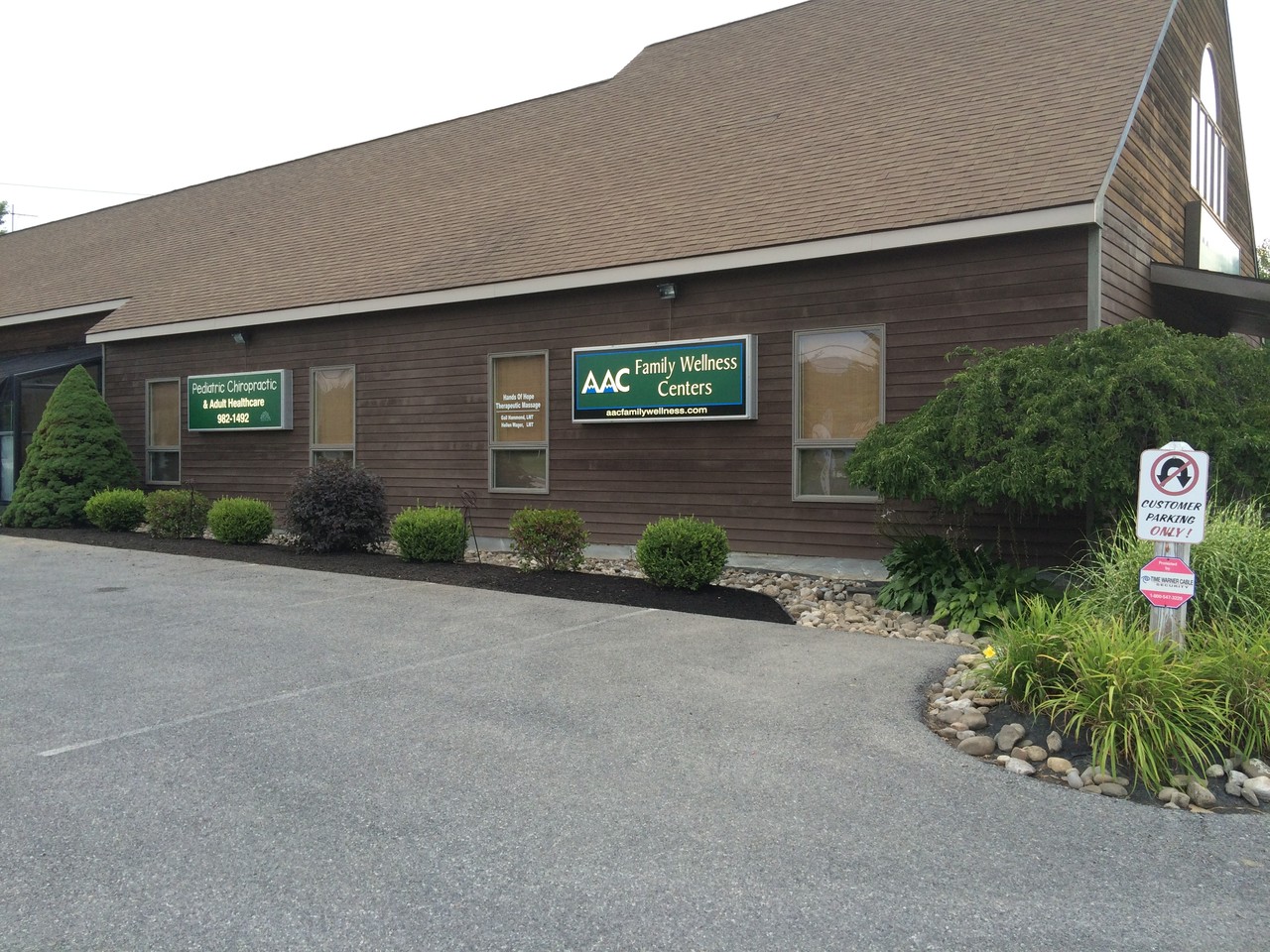
Rotterdam 834 Duanesburg Rd. (Rt. 7) Across from Schalmont Middle School (518) 982-1492 |
 |
 |
View Larger Map |
View Larger Map |
Content By AAC Family Wellness Centers © 2026,
All Rights Reserved.
Chiropractic Website and Content Provided By Now You Know, Inc. © 2026,
All Rights Reserved.