AAC Family Wellness Centers
Failed Back Surgery Helped by Chiropractic According to Study
2026-02-15
Print Article

Many people assume that spine surgery will permanently solve chronic back or neck pain. Unfortunately, a large number of patients continue to experience pain, stiffness, and reduced quality of life long after surgery. This ongoing condition—often described as persistent pain after spinal surgery—can affect sleep, mobility, mood, and daily activities, leaving individuals searching for safe and effective next steps when surgery has not delivered the hoped-for relief.
This large case series released on December 8, 2025, in the Journal of Chiropractic Medicine, followed over sixty adults who had previously undergone spine surgery yet continued to struggle with pain and disability. These individuals included people with both neck and low-back surgeries, many of whom had been living with discomfort for years. Rather than focusing solely on the surgical site, care was directed toward improving overall spinal movement and nervous system communication.
Pain is not just a structural issue—it is deeply connected to how the nervous system processes signals from the body. When spinal stress or dysfunction remains, nerve messages can become distorted or amplified. If subluxations are present, this interference may contribute to ongoing pain, tension, poor sleep, fatigue, and emotional strain. Supporting proper nerve communication through correction of subluxation may help calm the nervous system and improve the body's ability to adapt and heal.
The results of this study were encouraging. Most participants reported meaningful reductions in pain and improvements in daily function within a few months of care. Many also noted benefits beyond pain relief, including better sleep, reduced anxiety, improved mood, and greater participation in social and physical activities. Importantly, these improvements were still present months later for many individuals.
Another important finding was that patients themselves reported these changes as meaningful—not just measurable on tests. Improvements in quality of life, confidence in movement, and ability to return to normal routines mattered just as much as reductions in pain scores. For people who had already been through surgery, these gains represented renewed hope and a sense of control over their health.
These findings highlight an important takeaway: persistent pain after surgery does not mean options have run out. A conservative approach focused on nervous system health and spinal function may offer relief without additional surgery. For those living with ongoing pain after spinal procedures, this study supports exploring chiropractic care that looks beyond symptoms and supports the body as a connected, self-regulating system.
Print Article
Contact Information

Location Map Information
| Ballston Spa/Saratoga 402 Rowland St. Ballston Spa, NY 12020 (518) 363.0202 |
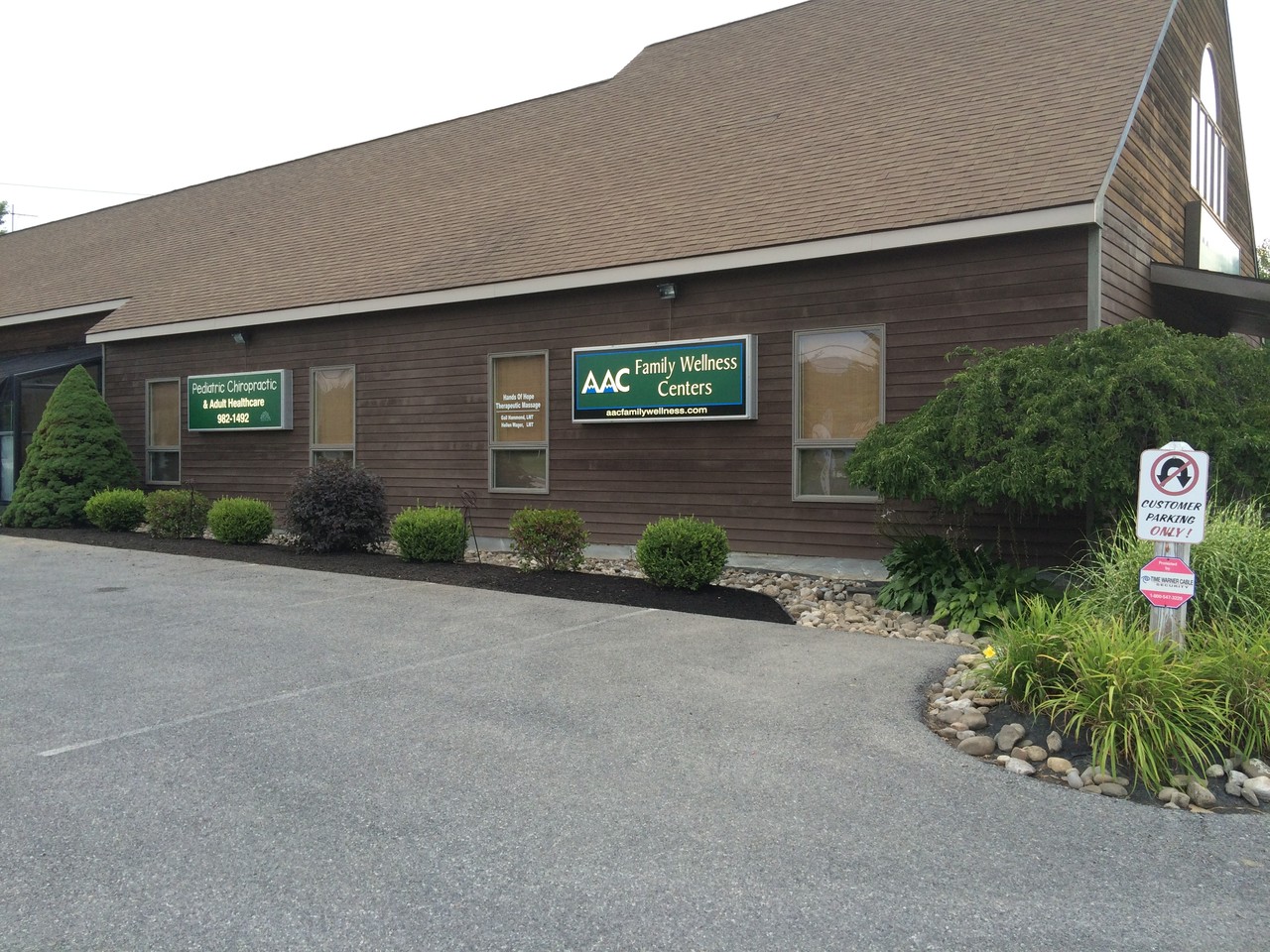
Rotterdam 834 Duanesburg Rd. (Rt. 7) Across from Schalmont Middle School (518) 982-1492 |
 |
 |
View Larger Map |
View Larger Map |
Content By AAC Family Wellness Centers © 2026,
All Rights Reserved.
Chiropractic Website and Content Provided By Now You Know, Inc. © 2026,
All Rights Reserved.