AAC Family Wellness Centers
Dry Nights for the First Time in Six Children in Study Under Chiropractic Care
2026-02-15
Print Article

Bedwetting, also known as nocturnal enuresis or nighttime bladder accidents, is more common than many families realize. It affects millions of children worldwide and can continue well beyond the toddler years. For children and parents alike, this challenge often brings frustration, embarrassment, disrupted sleep, and stress at home. Traditional approaches may include alarms, medications, or limiting fluids, but these methods don't always address the underlying reasons why a child's body isn't waking up in time to use the bathroom.
A study published in the January-March 2026 issue of the Asia-Pacific Chiropractic Journal study looked at how the nervous system plays a role in nighttime bladder control. In this study, six school-aged children who had never experienced a dry night were followed while receiving chiropractic care focused on improving nervous system function. All of the children shared a common finding: a retained early-life reflex, called the "Spinal Galant reflex" that normally fades in infancy. When this reflex remains active, it may interfere with normal communication between the brain, spinal cord, and bladder.
The bladder is not controlled by willpower alone—it depends on precise nerve signaling. During sleep, the brain must sense bladder fullness, reduce nighttime urine production, and trigger waking before an accident occurs. If these signals are delayed or disrupted, the bladder may empty before the child becomes aware. The study suggests that when nerve interference or imbalance is present, the brain may not receive or respond properly to those signals.
Care in these cases focused on supporting healthier nerve communication and, when appropriate, correction of subluxation to reduce interference within the nervous system. Some children also performed simple at-home activities designed to help the nervous system mature and integrate lingering reflex patterns. Children who consistently followed these recommendations tended to achieve dry nights more quickly, while those who did not participate as fully took longer to improve.
Encouragingly, all six children eventually achieved dry nights. Some improved within weeks, while others required more time and ongoing care. Parents reported not only fewer nighttime accidents, but also improvements in confidence, sleep quality, and emotional well-being. For families who had tried many options without success, these changes were life-altering and restored hope.
While this was a small case series and more research is needed, the findings highlight an important perspective: bedwetting may be more than a bladder issue alone. Supporting nervous system development and function may offer a gentle, non-invasive avenue worth considering. For families struggling with persistent bedwetting, understanding the role of the nervous system opens the door to new possibilities and a more compassionate approach to care.
Print Article


Contact Information

Location Map Information
| Ballston Spa/Saratoga 402 Rowland St. Ballston Spa, NY 12020 (518) 363.0202 |
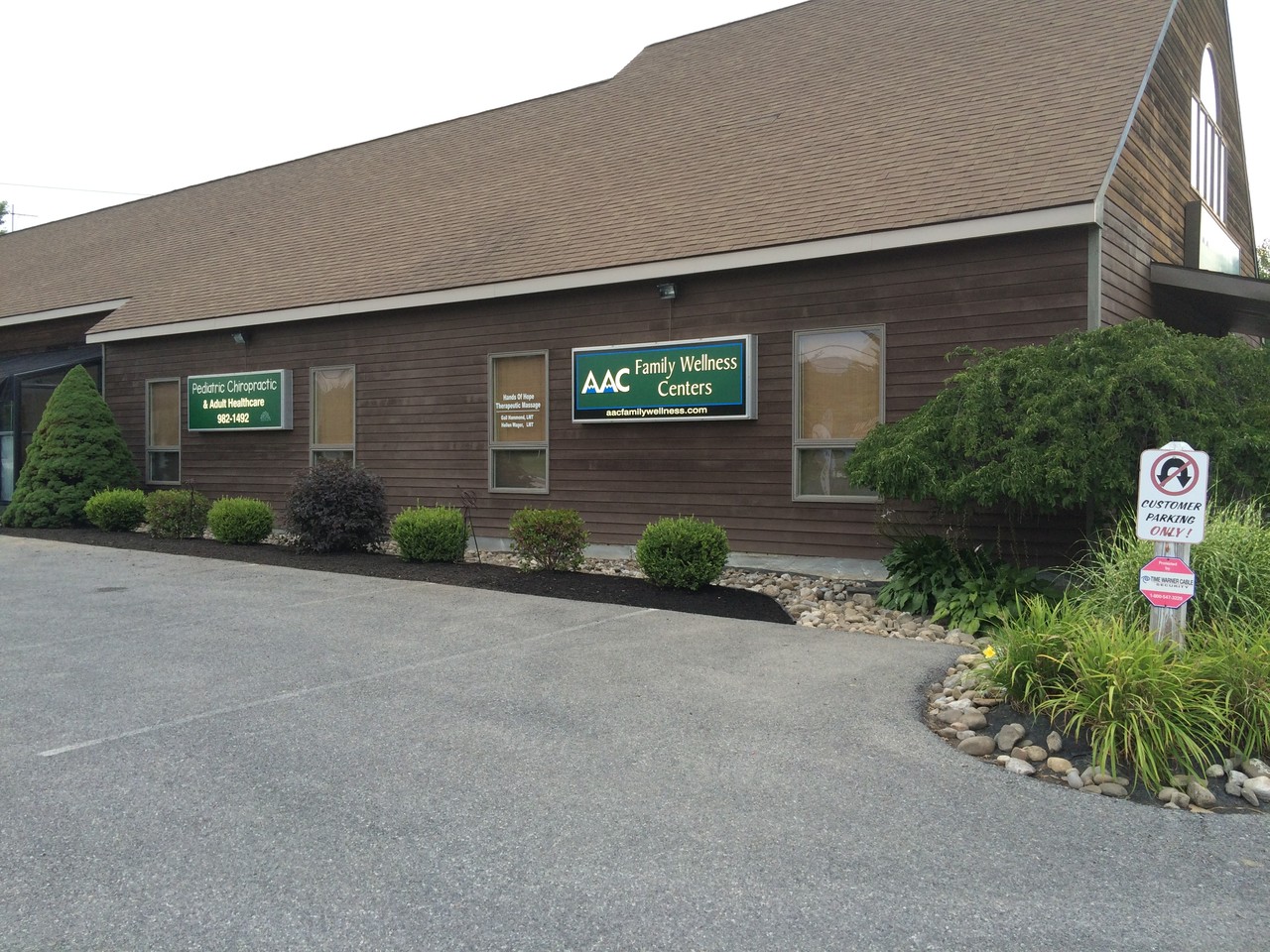
Rotterdam 834 Duanesburg Rd. (Rt. 7) Across from Schalmont Middle School (518) 982-1492 |
 |
 |
View Larger Map |
View Larger Map |
Content By AAC Family Wellness Centers © 2026,
All Rights Reserved.
Chiropractic Website and Content Provided By Now You Know, Inc. © 2026,
All Rights Reserved.