AAC Family Wellness Centers
Trigeminal Neuralgia and Insomnia resolved Under Chiropractic Care
2025-12-13
Print Article

Trigeminal neuralgia is often described as one of the most intense and debilitating types of facial pain a person can experience. Attacks can strike suddenly and feel like electric shocks across the face, making everyday activities—like brushing teeth, washing the face, or even feeling a breeze—painful or impossible.
A recent case report, published in the Asian Pacific Chiropractic Journal on October 1, 2025, shares the story of a 45-year-old woman who had been living with this condition for years and struggling to find lasting relief. Her experience sheds light on how chiropractic care, including the correction of subluxations, may offer hope for people with chronic facial pain.
Before seeking chiropractic care, the woman had tried nearly everything. Medication helped briefly but caused side effects and eventually stopped working. Dental procedures provided only temporary relief. Even alternative approaches such as acupuncture didn’t resolve the pain—which by then had spread across her face and was disrupting her sleep, work, and emotional well-being. By the time she arrived at a chiropractic clinic, her pain was severe enough to interfere with basic daily tasks, and she was exhausted from years of unsuccessful treatments.
Her initial chiropractic evaluation revealed several indicators of imbalance—postural shifts, restricted neck movement, uneven leg length, and neurological signs such as dizziness with eye movements. These findings suggested irritation in the nervous system and structural misalignments consistent with subluxations. The chiropractor developed a personalized care plan focused on restoring proper alignment and supporting better nerve function. As subluxations were corrected over time, her scans and physical findings began to show improvement.
Within the first few weeks, she noticed her facial pain easing, her posture improving, and her strength returning. By the midpoint of her care, she was able to resume normal daily activities and reported being "very happy" with her progress. By the end of her care plan, she experienced significant reductions not only in pain but also in stress, sleep disturbance, and functional limitations. Her disability score dropped meaningfully, and many of her objective neurological findings improved. Most importantly, she regained a sense of control and could once again enjoy meals, engage socially, and participate fully in her work and family life.
This case highlights the potential value of chiropractic care, especially when aimed at restoring alignment and reducing subluxation, for individuals experiencing severe facial pain or nerve-related discomfort. This patient’s dramatic improvement adds to growing evidence that chiropractic care may offer a non-invasive, drug-free pathway toward relief and better quality of life. For people who feel they have "tried everything," her story is an encouraging reminder that new possibilities for healing may still exist.
Print Article
Contact Information

Location Map Information
| Ballston Spa/Saratoga 402 Rowland St. Ballston Spa, NY 12020 (518) 363.0202 |
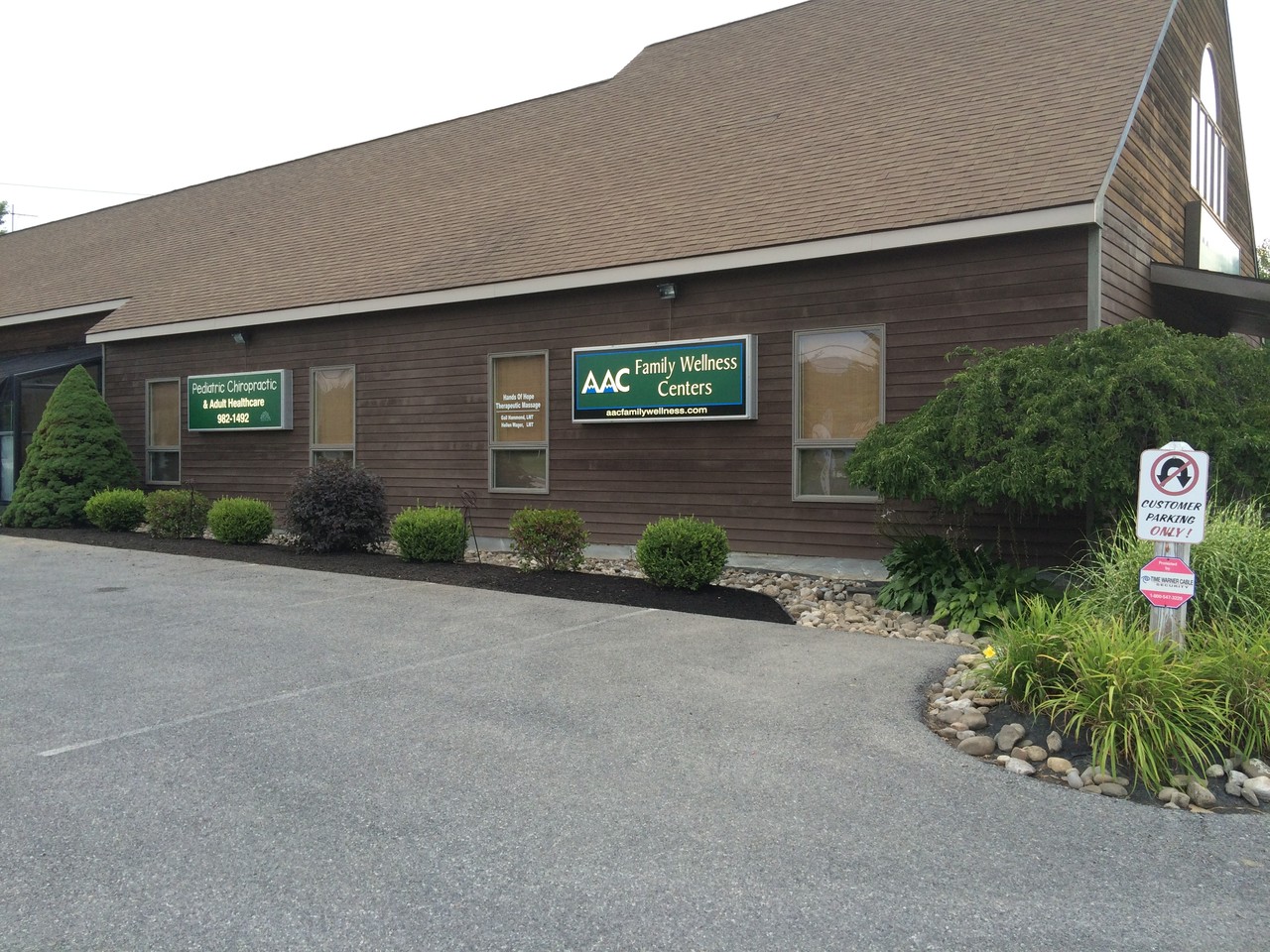
Rotterdam 834 Duanesburg Rd. (Rt. 7) Across from Schalmont Middle School (518) 982-1492 |
 |
 |
View Larger Map |
View Larger Map |
Content By AAC Family Wellness Centers © 2026,
All Rights Reserved.
Chiropractic Website and Content Provided By Now You Know, Inc. © 2026,
All Rights Reserved.