AAC Family Wellness Centers
Recovering from Whiplash: Why Completing Chiropractic Care Matters
2025-12-13
Print Article

Whiplash injuries are incredibly common, often resulting from car accidents or sudden impacts that snap the head forward and back. The result can be ongoing pain, stiffness, headaches, dizziness, and even difficulty concentrating. What many people don’t realize is that the effects of whiplash can linger for years if not properly treated. A new study, published in the Annals of Vertebral Subluxation Research on November 17, 2025, explored how following a complete chiropractic care plan—focused on correcting subluxations and restoring spinal function—can make a big difference in recovery and long-term health.
The study reviewed 14 people who suffered whiplash injuries caused by motor vehicle accidents. Each participant received chiropractic care designed to improve movement, reduce pain, and restore balance to the spine. The group was divided into two categories: those who completed their care until they reached what’s known as "maximum medical improvement" (MMI)—the point when the body has healed as much as possible—and those who stopped before reaching that stage. Researchers then compared how much each group improved using a standard measure called the Neck Disability Index, which tracks how neck pain affects daily life.
The results were striking. Those who continued chiropractic care until reaching MMI experienced an average of 82% improvement in their condition. In contrast, those who discontinued care early showed only 37% improvement. This difference was statistically significant, meaning it wasn’t just coincidence—it reflected a real difference in recovery outcomes. In other words, patients who stuck with their care plans and continued their chiropractic care until their spines were fully stabilized saw much greater long-term relief and functional improvement.
The research also underscored the role of vertebral subluxation—misalignments or restricted motion in the spine that interfere with nerve communication and muscle balance. After a whiplash injury, these subluxations can limit movement and contribute to chronic pain. Chiropractic care focuses on identifying and correcting these spinal issues, helping restore proper motion and alignment. As spinal function improves, the nervous system can communicate more clearly with the rest of the body, supporting faster healing and improved overall well-being.
Another important takeaway from this study was that healing isn’t just about the number of visits—it’s about completing care until true stability is achieved. Both groups in the study had roughly the same number of visits, but the patients who continued until they reached maximum medical improvement did much better. This suggests that reaching full recovery requires consistency and a commitment to correcting underlying spinal dysfunction, not just temporary symptom relief.
This study adds to growing evidence that chiropractic care can play a vital role in recovery after whiplash and similar injuries. By addressing spinal subluxations, improving movement, and supporting nervous system function, chiropractic care helps patients heal more completely and avoid chronic pain. The message is clear: when it comes to recovery, completing your care plan can be the key to regaining comfort, mobility, and lasting health.
Print Article
Contact Information

Location Map Information
| Ballston Spa/Saratoga 402 Rowland St. Ballston Spa, NY 12020 (518) 363.0202 |
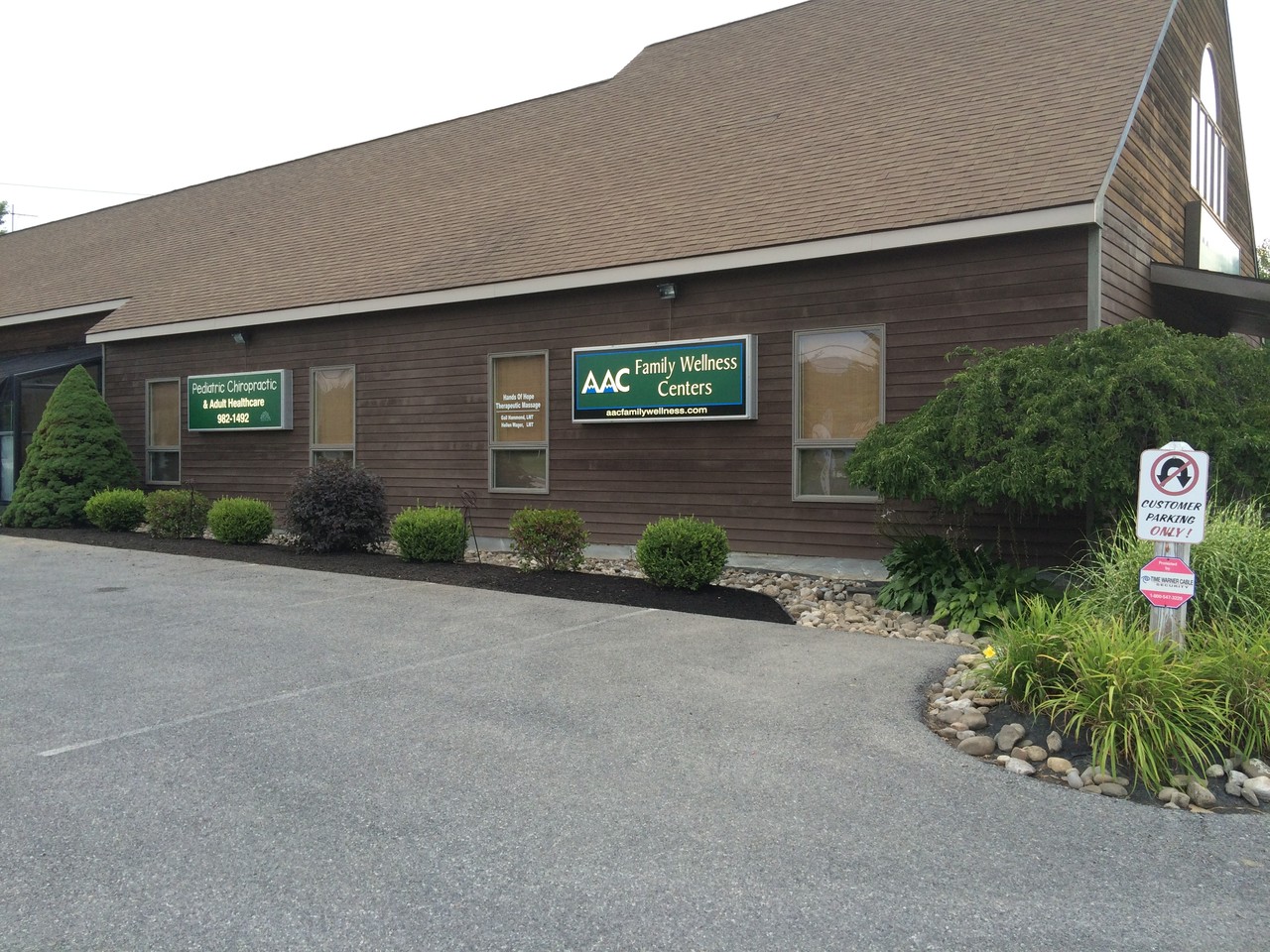
Rotterdam 834 Duanesburg Rd. (Rt. 7) Across from Schalmont Middle School (518) 982-1492 |
 |
 |
View Larger Map |
View Larger Map |
Content By AAC Family Wellness Centers © 2026,
All Rights Reserved.
Chiropractic Website and Content Provided By Now You Know, Inc. © 2026,
All Rights Reserved.