AAC Family Wellness Centers
From Tingling Hands to Full Recovery: A Story of Nerve Health and Hope
2025-11-13
Print Article

Many people experience numbness, tingling, or “pins and needles” sensations in their hands or arms — often brushed off as circulation issues or simple nerve irritation. But sometimes, these symptoms point to a deeper imbalance in the spine and nervous system. A case report published in the Annals of Vertebral Subluxation Research on October 20, 2025, shows how addressing this connection may restore comfort, movement, and quality of life.
A 34-year-old woman had been living with daily numbness and tingling in both arms and hands since childhood. The sensation was strongest in the mornings and often lasted for hours, making everyday activities — even holding a cup of coffee — difficult. She also noticed tightness in her upper back and neck, which worsened with long hours of studying at a computer. Despite years of coping, she had never found lasting relief.
A thorough examination revealed tension and reduced movement in her upper back, specifically around the middle of the thoracic spine. This area of the spine plays a key role in the body’s nerve pathways that control the arms and upper body. When motion in this region is restricted, nerve signals can become irritated or misdirected, leading to symptoms like tingling, numbness, or weakness — a condition known as vertebral subluxation.
The woman began a course of chiropractic care aimed at correcting subluxations and restoring proper movement and reducing stress on her nervous system. Over several months, she was evaluated regularly using thermal scans, posture assessments, and general health surveys to track progress. After just a few visits, she noticed that the morning tingling was shorter and less intense. Within three months, her symptoms had completely disappeared. Her overall energy and mental outlook also improved, suggesting that the benefits extended beyond her initial complaint.
Follow-up evaluations showed clear improvements in her spinal function and balance. Objective measures of nervous system activity — like thermal readings — normalized, indicating a more balanced state of nerve function. The patient reported feeling stronger, more mobile, and better able to manage daily tasks without discomfort. What began as a lifelong nuisance became an opportunity to restore health through gentle, consistent spinal care.
This case highlights an important message: symptoms like tingling or numbness shouldn’t be ignored. They may signal a deeper imbalance that, when corrected though chiropractic care, can lead to meaningful improvements in both physical and emotional well-being. Though this was just one individual’s story, it offers hope — and a reminder that the body has an incredible capacity to heal and adapt when given the right support.
Print Article
Contact Information

Location Map Information
| Ballston Spa/Saratoga 402 Rowland St. Ballston Spa, NY 12020 (518) 363.0202 |
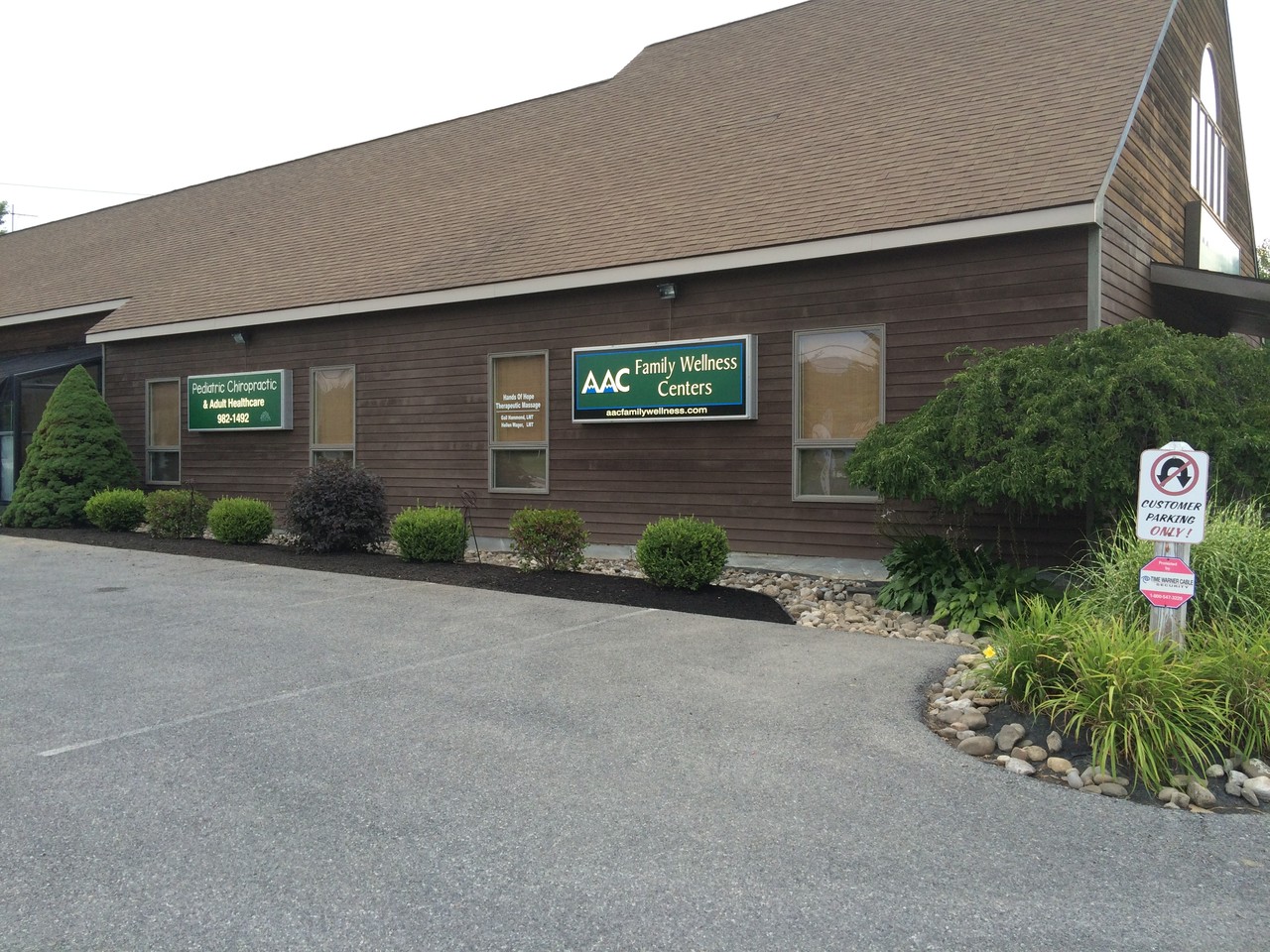
Rotterdam 834 Duanesburg Rd. (Rt. 7) Across from Schalmont Middle School (518) 982-1492 |
 |
 |
View Larger Map |
View Larger Map |
Content By AAC Family Wellness Centers © 2026,
All Rights Reserved.
Chiropractic Website and Content Provided By Now You Know, Inc. © 2026,
All Rights Reserved.