AAC Family Wellness Centers
Cerebral Palsy Patient with Additional Symptoms Helped by Chiropractic
2025-09-14
Print Article
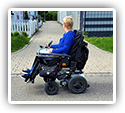
In the third quarter 2025 issue of the Asian Pacific Chiropractic Journal is a case study that documents the improvement under chiropractic care of a Cerebral Palsy patient suffering with multiple symptoms because of their condition.
The study authors begin by explaining "Cerebral Palsy (CP) is a term used to refer to neurological and physical disorders affecting posture and movement." They continue, "Alongside motor difficulties, CP can present with learning, hearing, visual, and communication delays or impairments."
In this case, a 52-year-old woman presented herself for chiropractic care. At that time, she was suffering with chronic low back pain, chronic neck and shoulder pain and balance issues. The woman's medical history included a lifelong diagnosis of Cerebral Palsy. Due to her condition, the woman was confined to a motorized wheelchair, she had very limited movement and was dependent on support helpers for everyday activities including house chores, getting dressed, and using a bathroom. Additionally, she suffered with incontinence that required daily support with this problem.
Due to the woman being confined in a wheelchair, a modified chiropractic examination was performed. Chiropractic adjustments were started at the rate of two visits per week. It was necessary to modify the chiropractic care given to the woman due to her situation.
After three months of care, a re-assessment was performed to measure the woman's progress. At that time, the study shows that the woman reported significant improvements in her low back and neck pain, as well as improved balance and the ability to position herself in her wheelchair, commode chair and hoist.
At the six month point in the woman's chiropractic care, the study noted that the woman continued to show improvement and had reduced muscle spasms and pain, with improvements in her balance, mobility, and the ability to self-manage her body position. She also reported improvements in her problems with incontinence. These changes in her abilities represented a significant improvement in her daily quality of life.
In their conclusion, the study authors explained, "Chiropractic care for Cerebral Palsy requires a sensitive and adaptable approach to care. While muscle spasticity and other condition specific mobility issues may present an initial challenge, this case report indicates that positive results can be achieved through subluxation based care over time."
Print Article
Contact Information

Location Map Information
| Ballston Spa/Saratoga 402 Rowland St. Ballston Spa, NY 12020 (518) 363.0202 |
Rotterdam 834 Duanesburg Rd. (Rt. 7) Across from Schalmont Middle School (518) 982-1492 |
 |
 |
View Larger Map |
View Larger Map |
Content By AAC Family Wellness Centers © 2026,
All Rights Reserved.
Chiropractic Website and Content Provided By Now You Know, Inc. © 2026,
All Rights Reserved.